
Consultation
Site assessment, client brief, and performance objectives defined with your engineering team.
Engineered for immersive, reference-grade cinema performance.
A structured approach ensuring precision at every stage of your cinema project.
Site assessment, client brief, and performance objectives defined with your engineering team.
Acoustic modelling, equipment specification, and integration planning with CAD documentation.
On-site supervision ensuring every component meets engineering and aesthetic standards.
Multi-point measurement, DSP tuning, and reference-level commissioning at every seat.
Ongoing maintenance, annual recalibration, and technical assistance for the life of your system.
Eleven specialist disciplines ? each engineered to reference standards and delivered as one seamless, luxurious cinema experience.
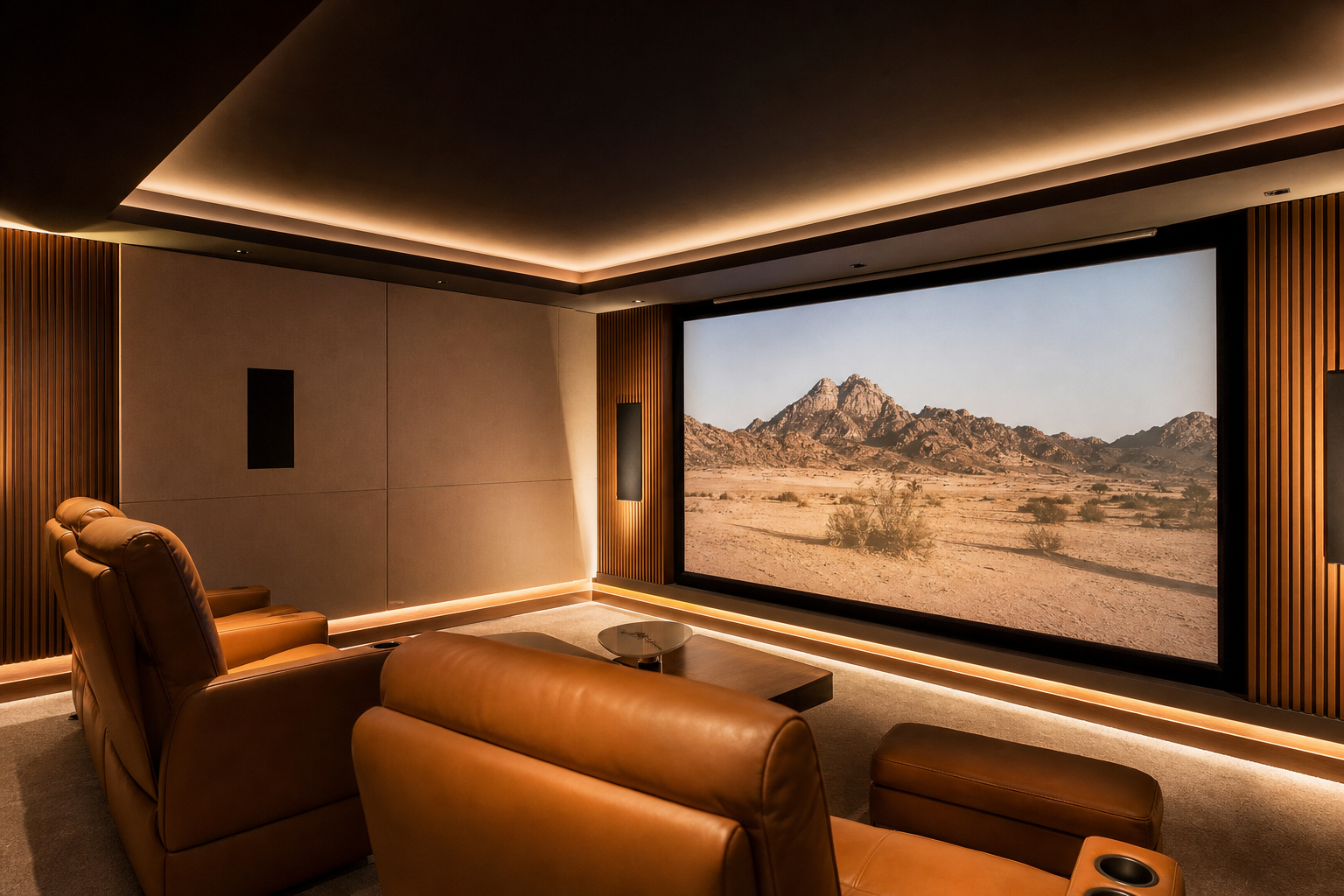 Residential
Home Theatre Engineering
Projection, premium seating, hidden architectural speakers, acoustic panels and ambient lighting as one unified design.
Discuss Your Project →
Residential
Home Theatre Engineering
Projection, premium seating, hidden architectural speakers, acoustic panels and ambient lighting as one unified design.
Discuss Your Project →
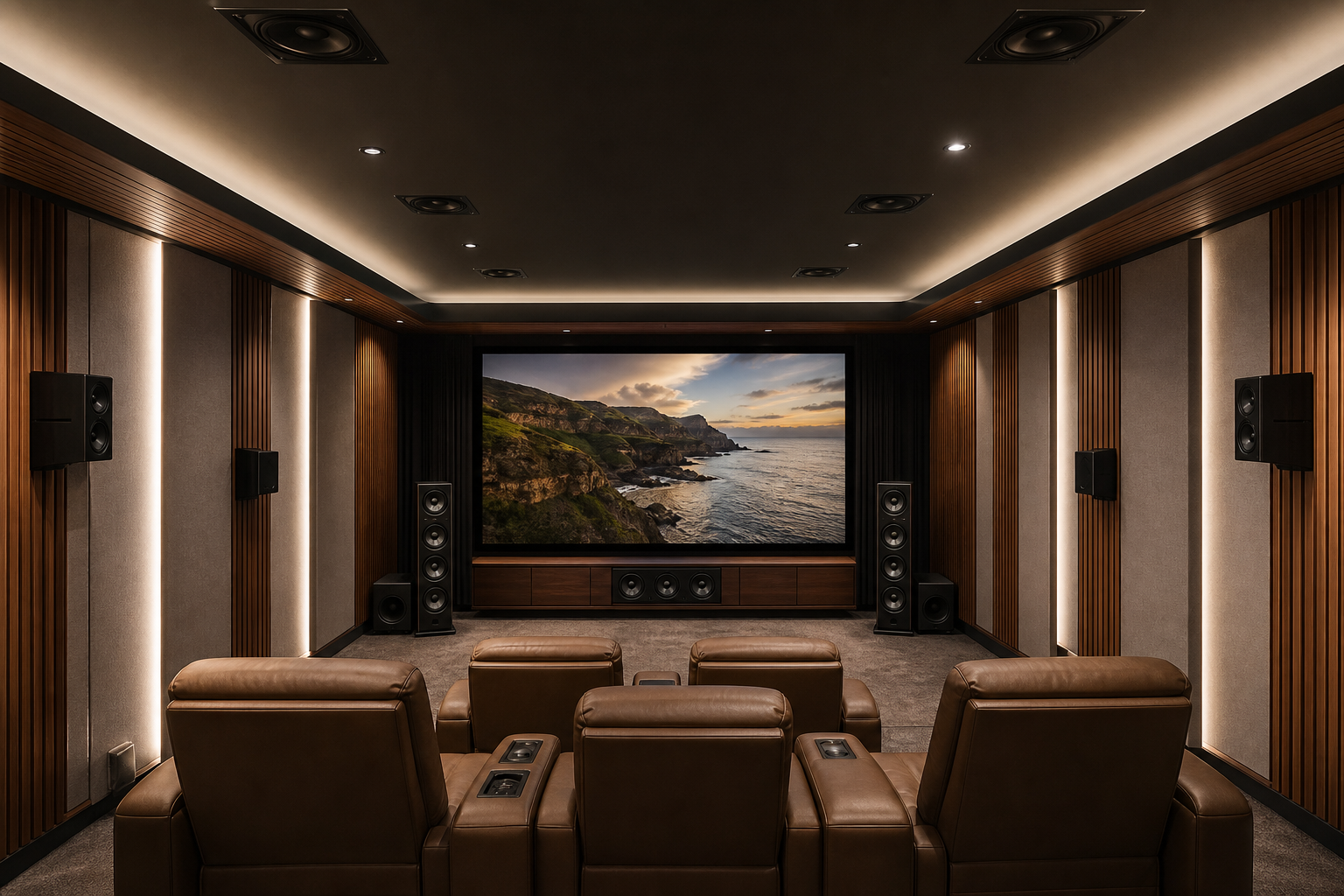 Immersive Audio
Dolby Atmos Design
Object-based immersive audio with precision overhead placement ? 5.1.2 to 9.4.6, validated by measurement.
Atmos Guidance →
Immersive Audio
Dolby Atmos Design
Object-based immersive audio with precision overhead placement ? 5.1.2 to 9.4.6, validated by measurement.
Atmos Guidance →
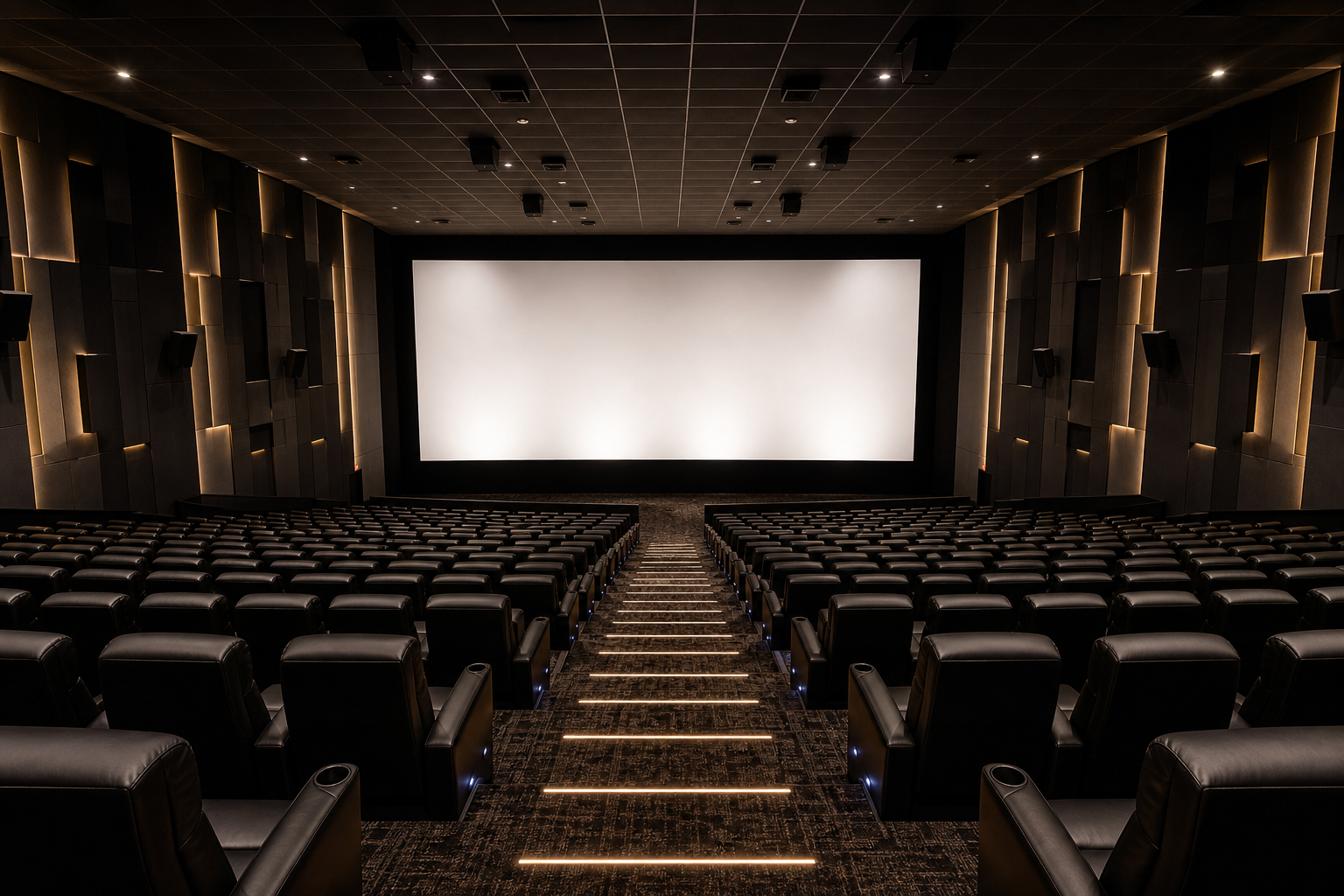 Reference Cinema
IMAX Enhanced
Reference-grade private cinemas engineered to IMAX Enhanced standards ? proportions, sightlines and certified performance.
View Private Cinemas →
Reference Cinema
IMAX Enhanced
Reference-grade private cinemas engineered to IMAX Enhanced standards ? proportions, sightlines and certified performance.
View Private Cinemas →
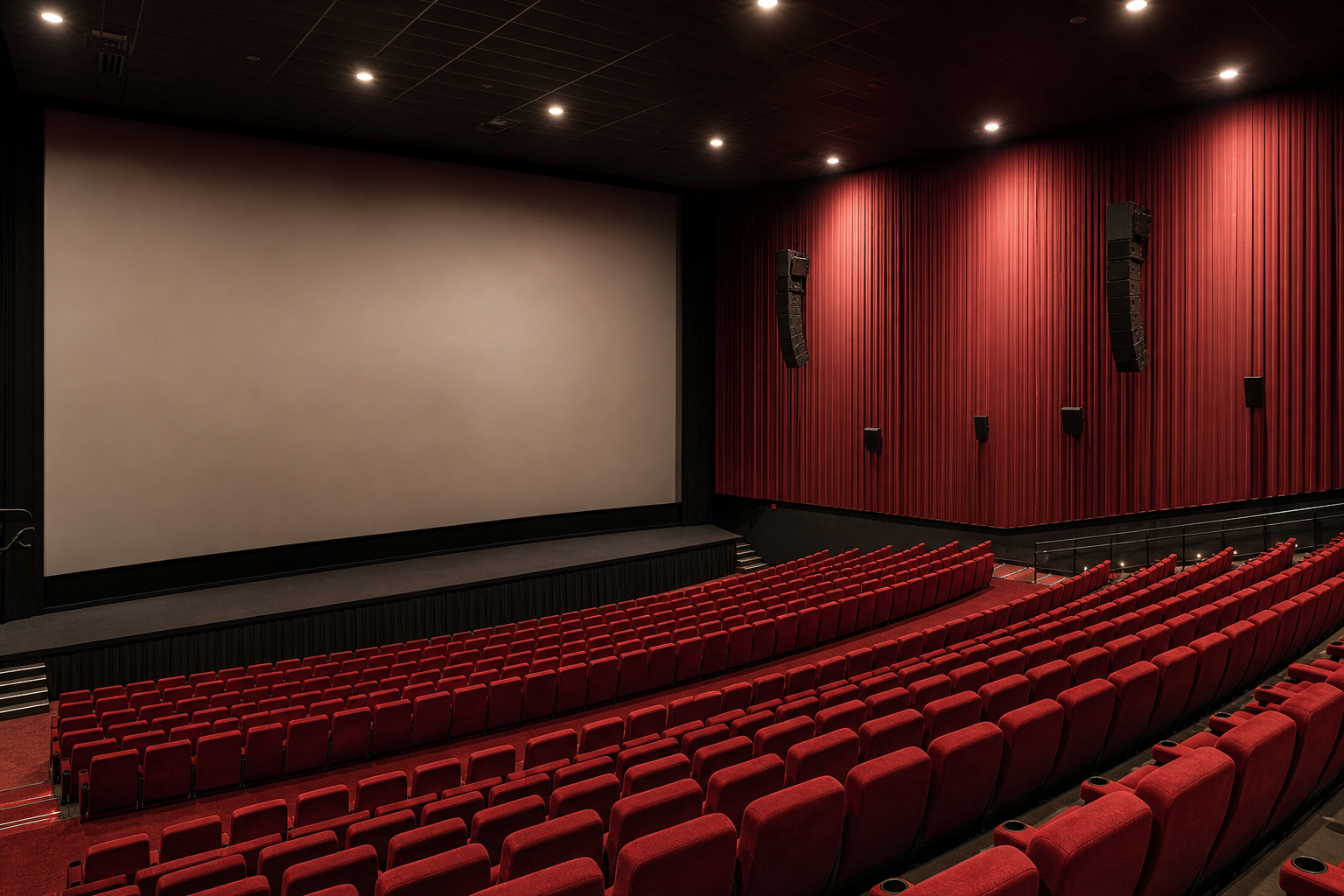 Sound Engineering
Cinema Sound Engineering
Loudspeaker selection, line arrays, amplification and bass management calibrated to your auditorium's acoustics.
Cinema Systems →
Sound Engineering
Cinema Sound Engineering
Loudspeaker selection, line arrays, amplification and bass management calibrated to your auditorium's acoustics.
Cinema Systems →
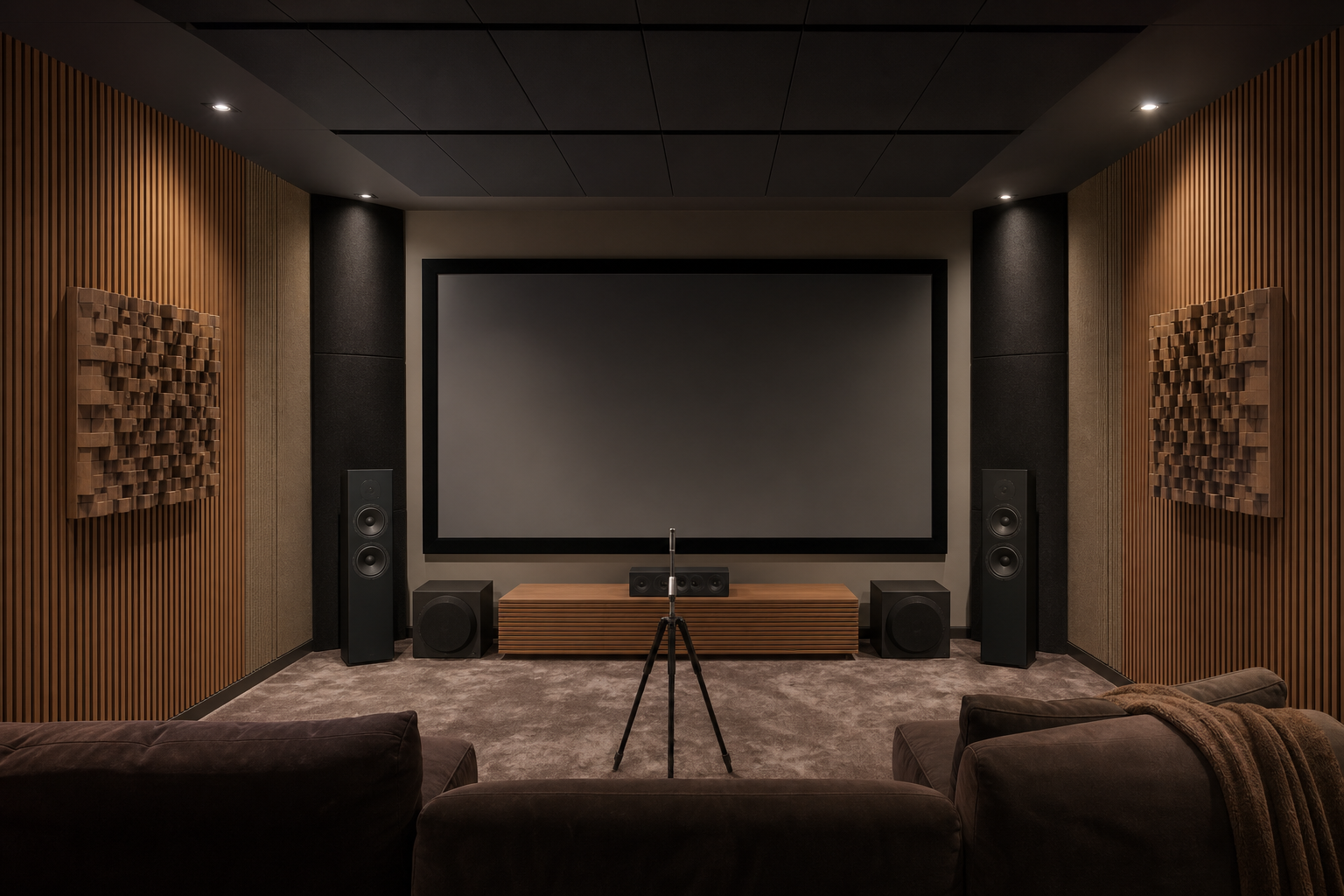 Acoustics
Acoustic Engineering
Bespoke absorption and diffusion ? bass traps, slats and diffusers with RT60 modelling and installation drawings.
Acoustic Principles →
Acoustics
Acoustic Engineering
Bespoke absorption and diffusion ? bass traps, slats and diffusers with RT60 modelling and installation drawings.
Acoustic Principles →
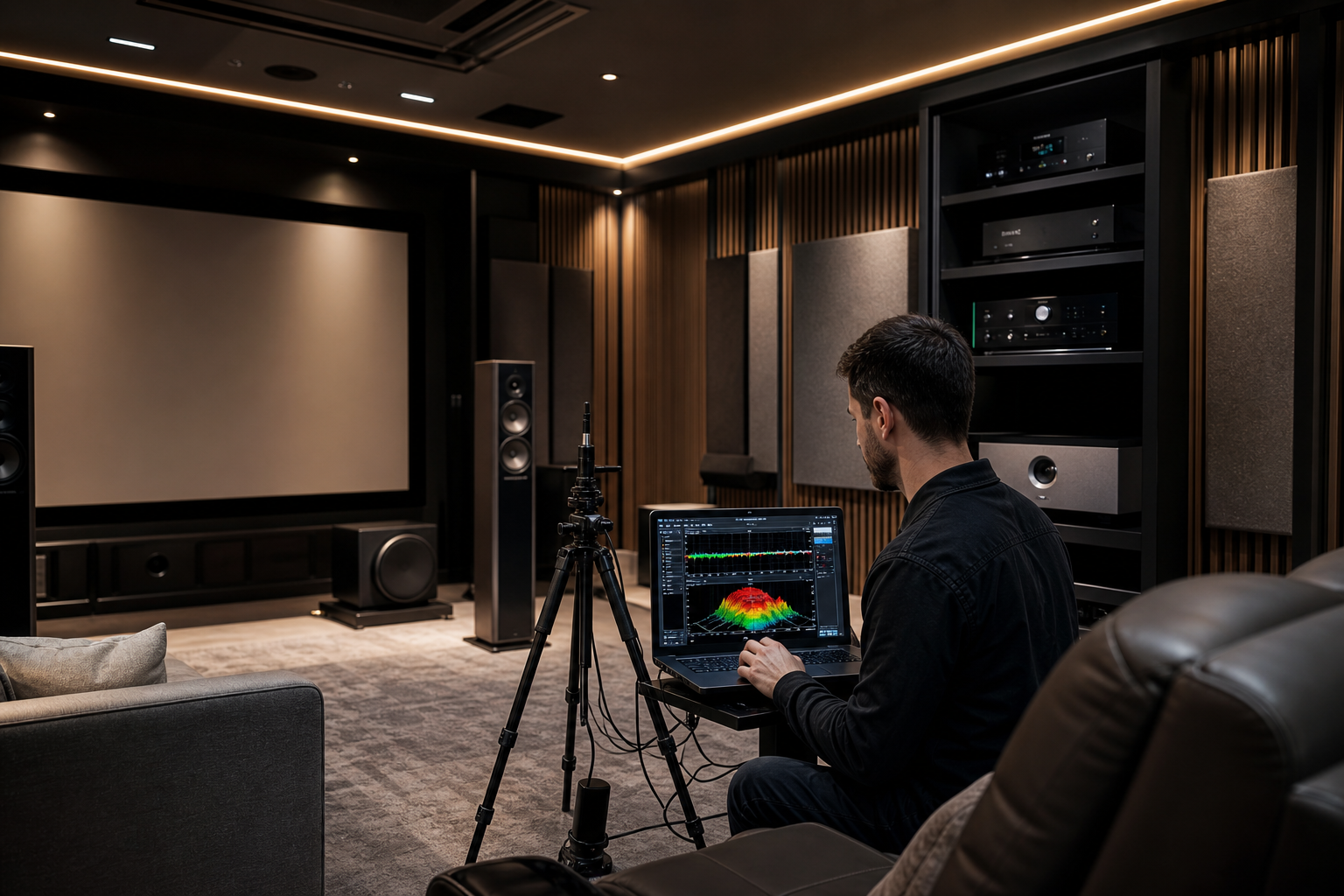 DSP Tuning
DSP Calibration
Multi-point measurement, frequency correction and time alignment for flat, reference-level response at every seat.
Calibration Methods →
DSP Tuning
DSP Calibration
Multi-point measurement, frequency correction and time alignment for flat, reference-level response at every seat.
Calibration Methods →
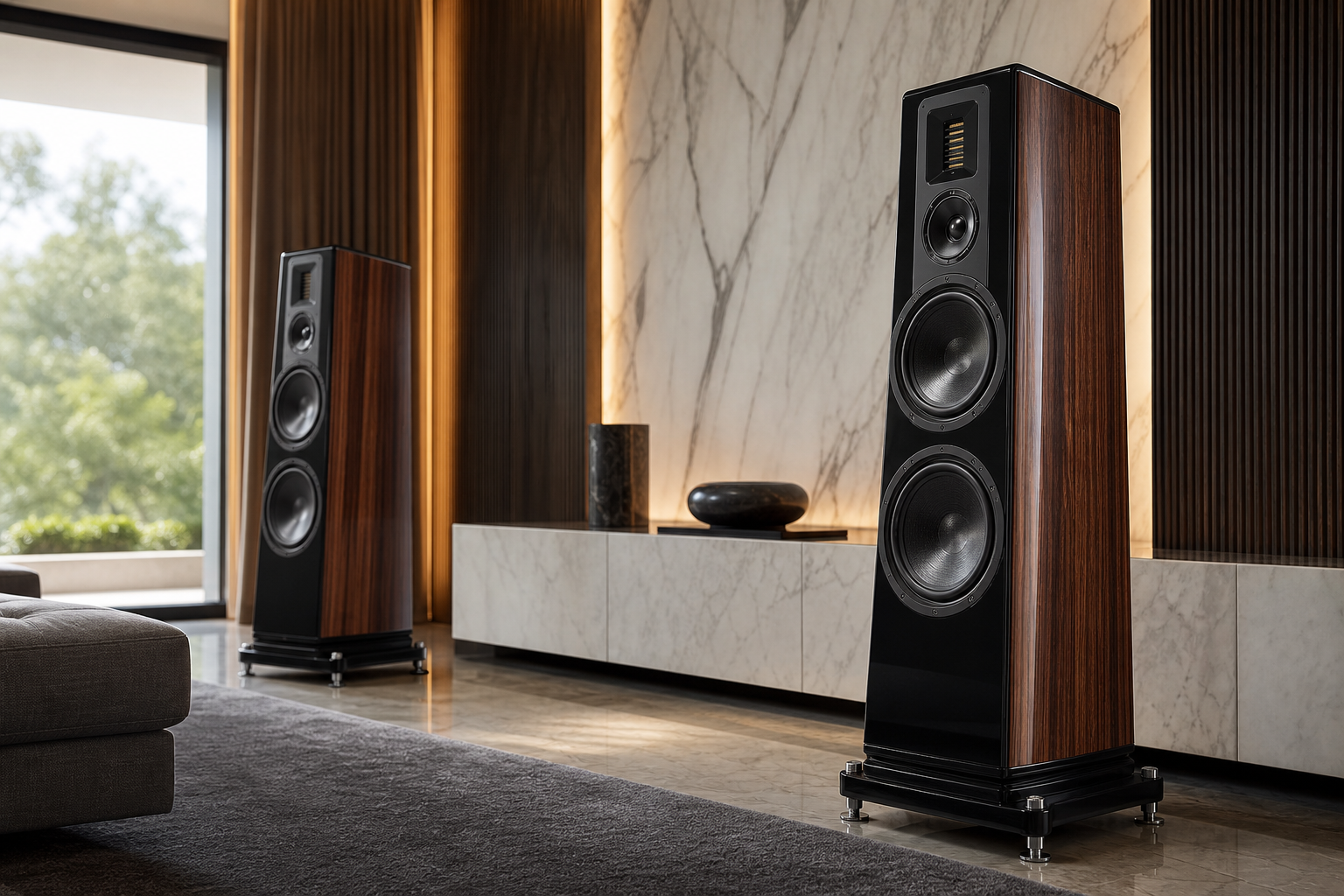 Loudspeakers
High-End Loudspeakers
Reference speakers from ELAC, Perlisten, MartinLogan, Pylon and Atlantic Technology, matched to your room.
Partner Brands →
Loudspeakers
High-End Loudspeakers
Reference speakers from ELAC, Perlisten, MartinLogan, Pylon and Atlantic Technology, matched to your room.
Partner Brands →
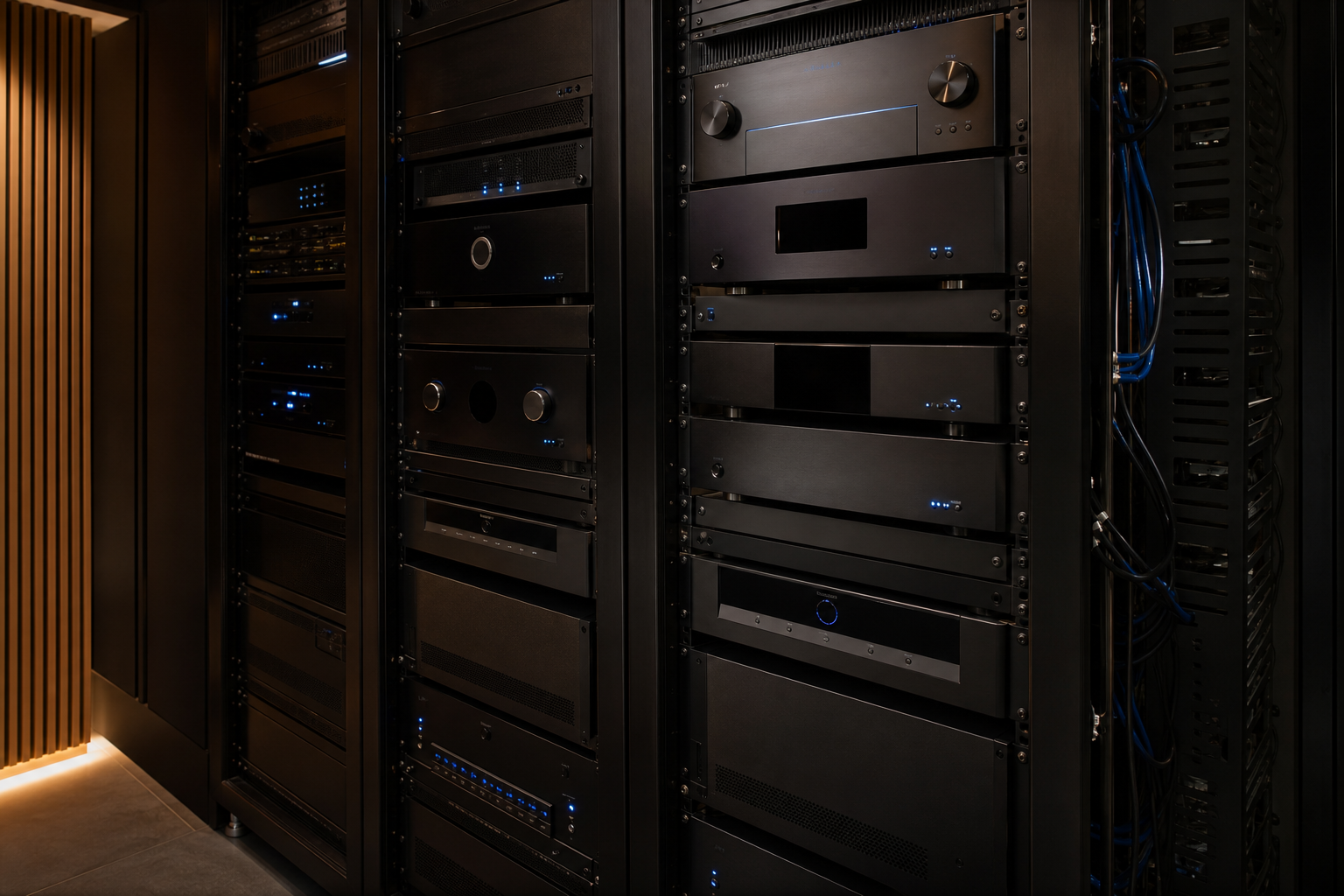 Electronics
AV Receivers & Processors
Marantz, Anthem, StormAudio and Trinnov electronics configured in ventilated, accessible equipment racks.
Processors & DSP →
Electronics
AV Receivers & Processors
Marantz, Anthem, StormAudio and Trinnov electronics configured in ventilated, accessible equipment racks.
Processors & DSP →
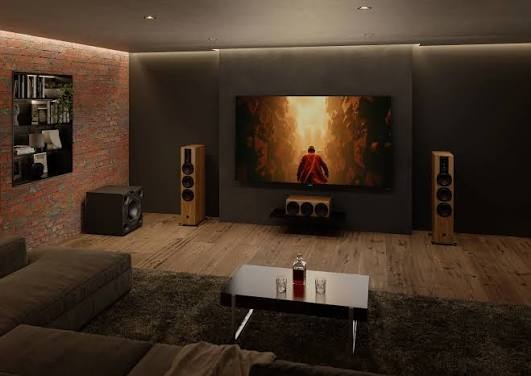 Low Frequency
Subwoofer Systems
Dual, quad or distributed subwoofers placed via modal analysis for even, powerful bass across every seat.
Subwoofer Solutions →
Low Frequency
Subwoofer Systems
Dual, quad or distributed subwoofers placed via modal analysis for even, powerful bass across every seat.
Subwoofer Solutions →
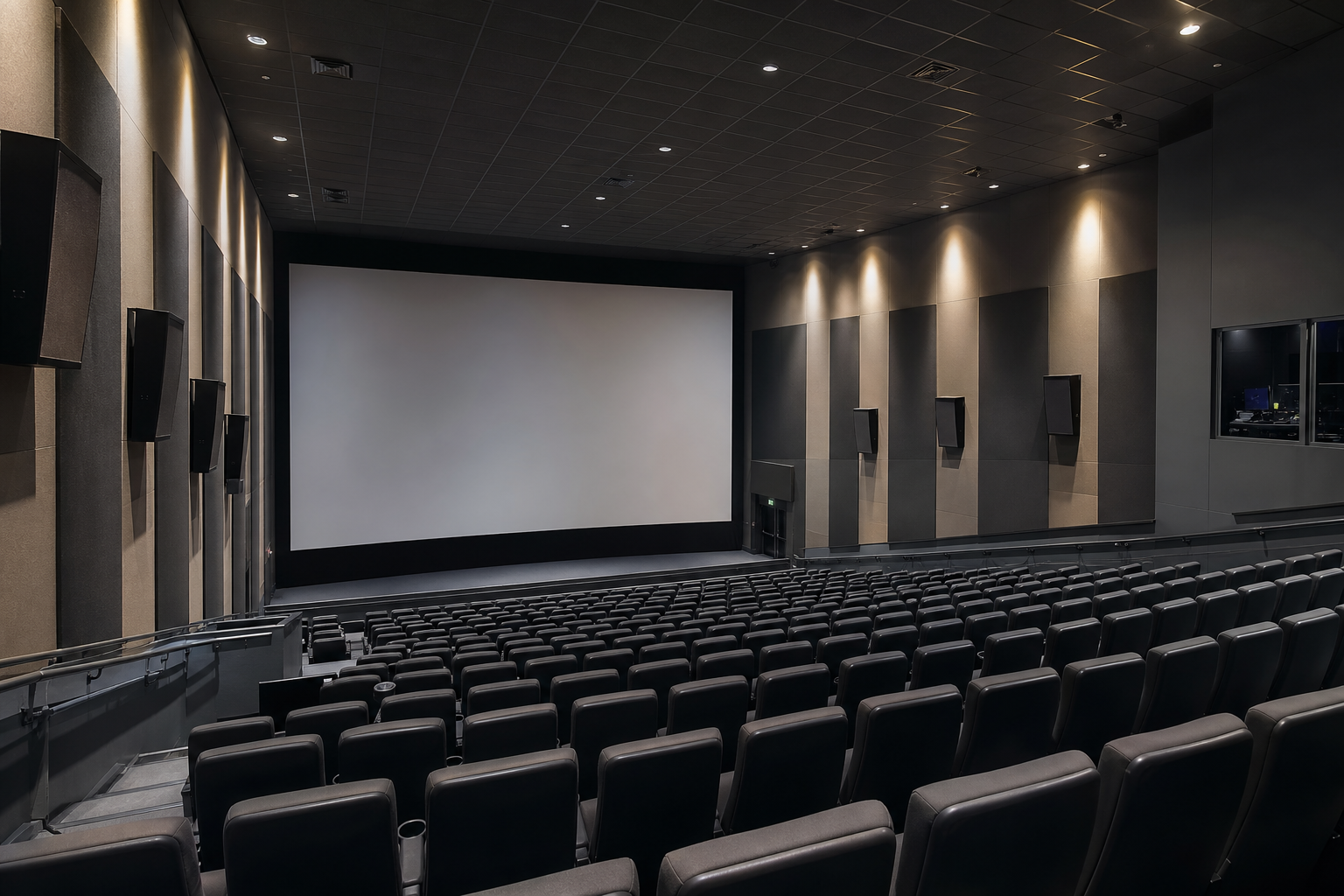 Commercial
 Cinema Solutions
Multiplex and boutique venue engineering ? large-scale deployment, booth integration and DSP networking.
Commercial Projects →
Commercial
Commercial Cinema Solutions
Multiplex and boutique venue engineering ? large-scale deployment, booth integration and DSP networking.
Commercial Projects →
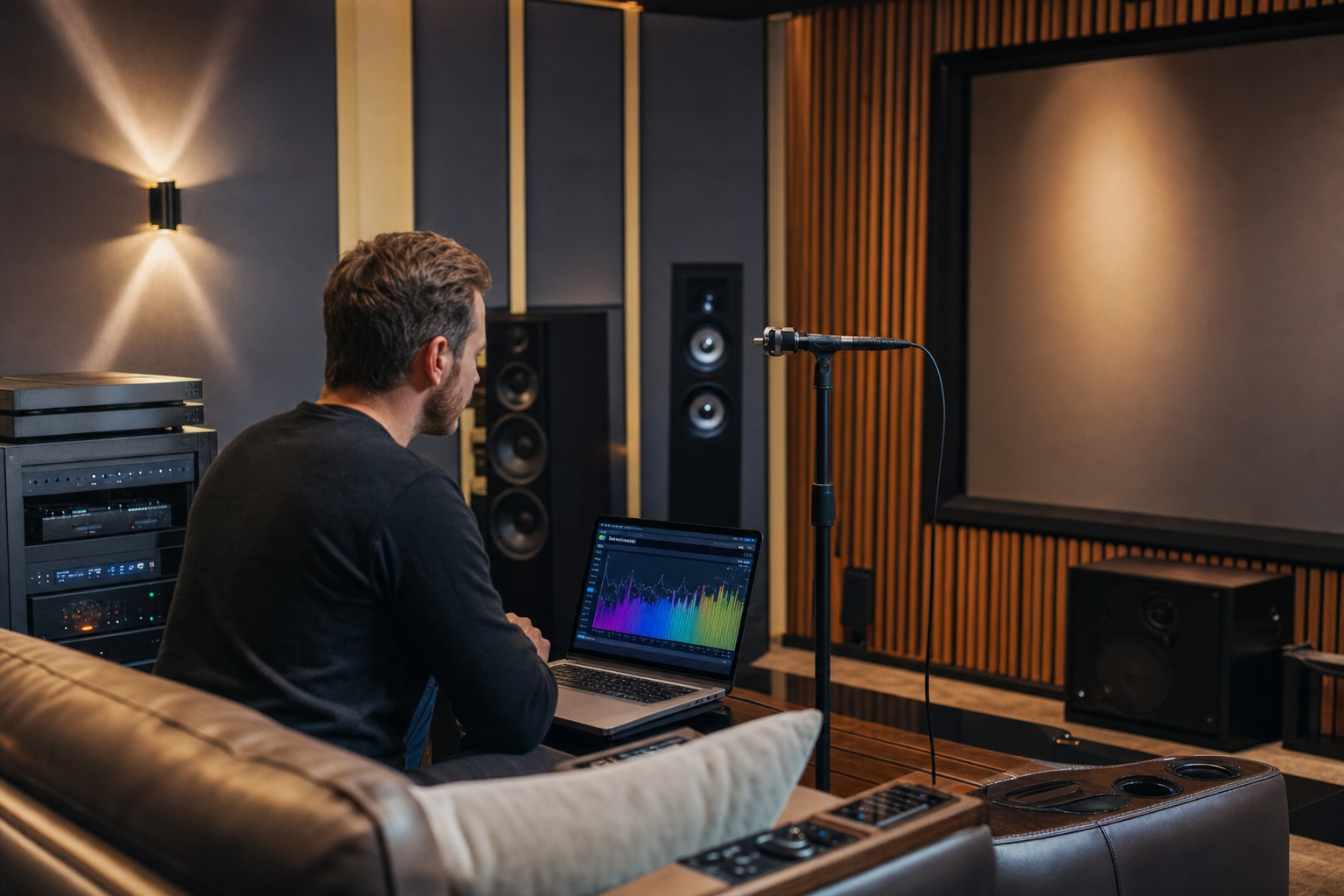 Engineering
Professional Calibration
On-site calibration by certified engineers, plus annual maintenance, recalibration and priority support.
Book Calibration →
Engineering
Professional Calibration
On-site calibration by certified engineers, plus annual maintenance, recalibration and priority support.
Book Calibration →
Professional engineering support for luxury home theatres, private cinemas, commercial auditoriums and reference listening spaces.
Download Engineering ChecklistA structured engineering workflow from initial consultation through reference-grade verification and client handover.
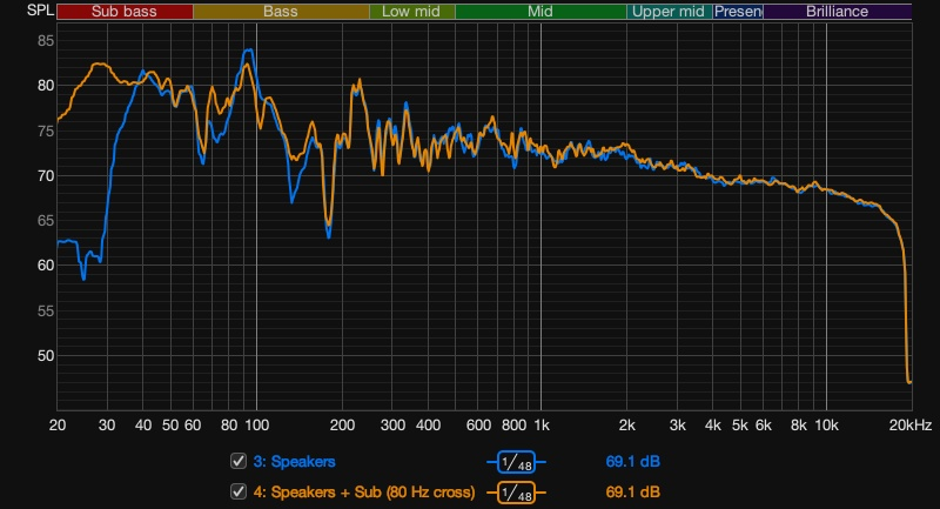
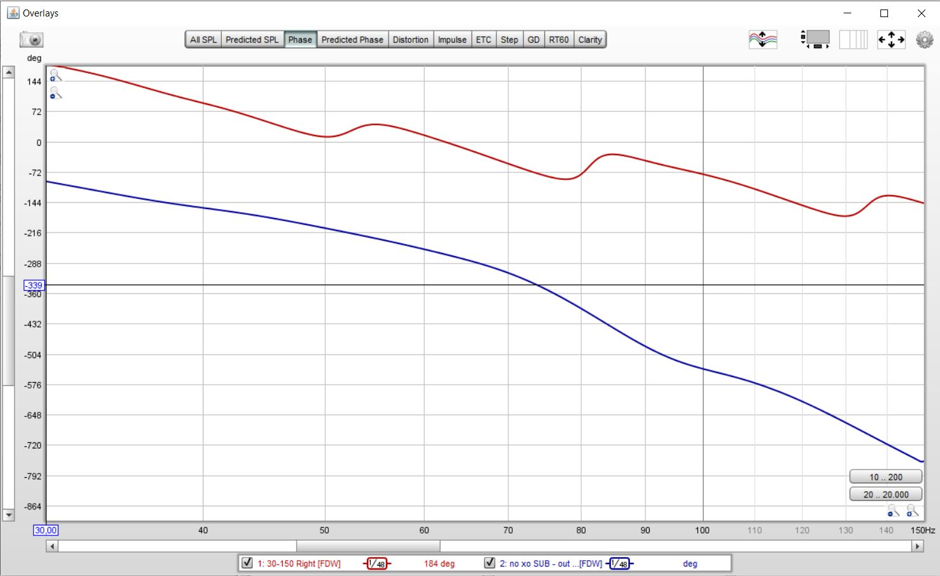
"Phase match" between a subwoofer and main speakers is achieved when their low-frequency sound waves are perfectly timed and aligned, preventing cancellations and creating a full, seamless bass experience.
You can visualize this as the bass driver in the subwoofer and main speaker moving in the same direction at the same time, like a synchronized team, rather than opposing directions, which would create cancellation.
While there are no specific "phase match" images, achieving this alignment involves adjusting the subwoofer's phase control (often a 0° or 180° switch) until the bass sounds loudest and most integrated with your main speakers.
When the subwoofer and main speakers are in phase, their bass drivers move in the same direction simultaneously for the same frequencies. When the main speaker's cone moves outward, the subwoofer's cone also moves outward. This adds up the bass, resulting in more powerful, full-bodied sound.
If the speakers are out of phase, their cones move in opposite directions. When one cone moves outward, the other moves inward. This creates acoustic cancellation, leading to weak, thin, or inconsistent bass.
RT60 reverberation time is the main room acoustic parameter. According to BS ISO 3382, it is the duration required for the sound energy in a room to decrease by 60 dB after the source emission has stopped.
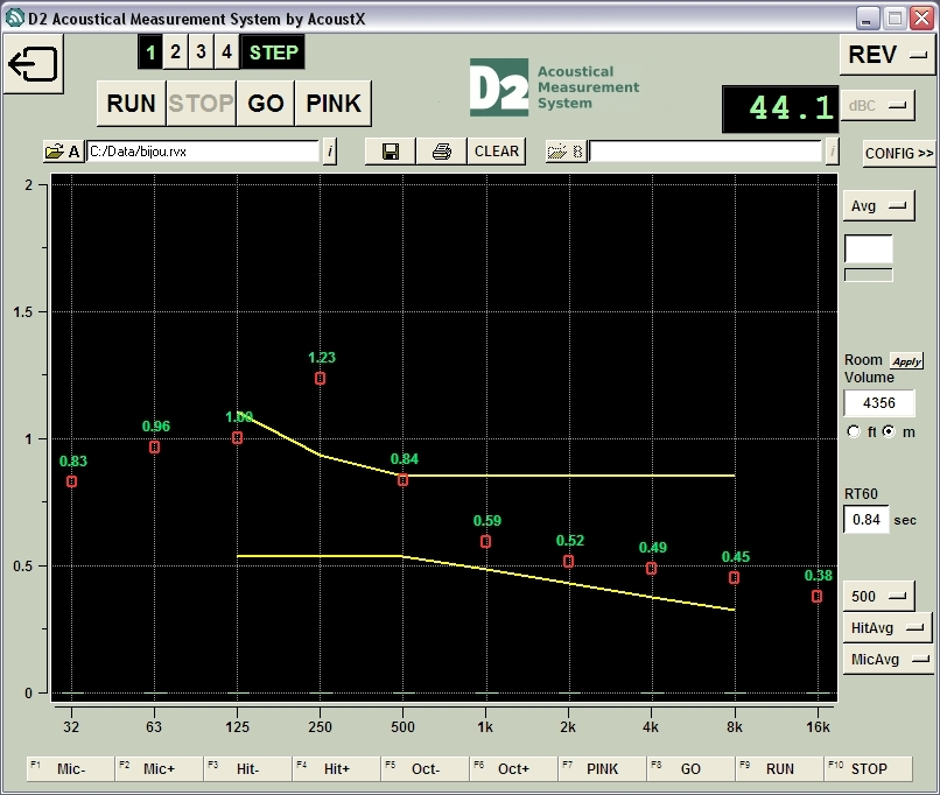
The values of RT60 may range from fractions of a second to a few seconds and depend upon the size of the room and the nature of the materials used in its construction. Reverberation time is used to determine the required acoustics for a room.
The reverberation time RT60 in a room is determined by the absorptive properties of the reflecting surfaces and the distances between them. The purpose of this measurement is to obtain an objective, quantitative indication of the acoustic quality of a room.
In an empty room, sound waves reflect off of the walls, ceiling, and floor, and these reflections build up over time. This build-up of sound is known as reverberation, and it can be a major problem in large rooms with hard surfaces.
Speech becomes unintelligible and music sounds muddy. Background noise levels increase, reducing clarity and definition in cinema and listening environments.
The room sounds sterile and uninviting. Background noise reduces but voices can sound muffled, lacking warmth and natural ambience.
When designing a room for optimal acoustics, it is important to ensure that the reverberation time is appropriate for the intended use. By carefully considering the absorption characteristics of the materials used in a room, it is possible to achieve ideal reverberation times for any given application. Depending on the use of the room, more direct and less indirect (reflected) sound is required.
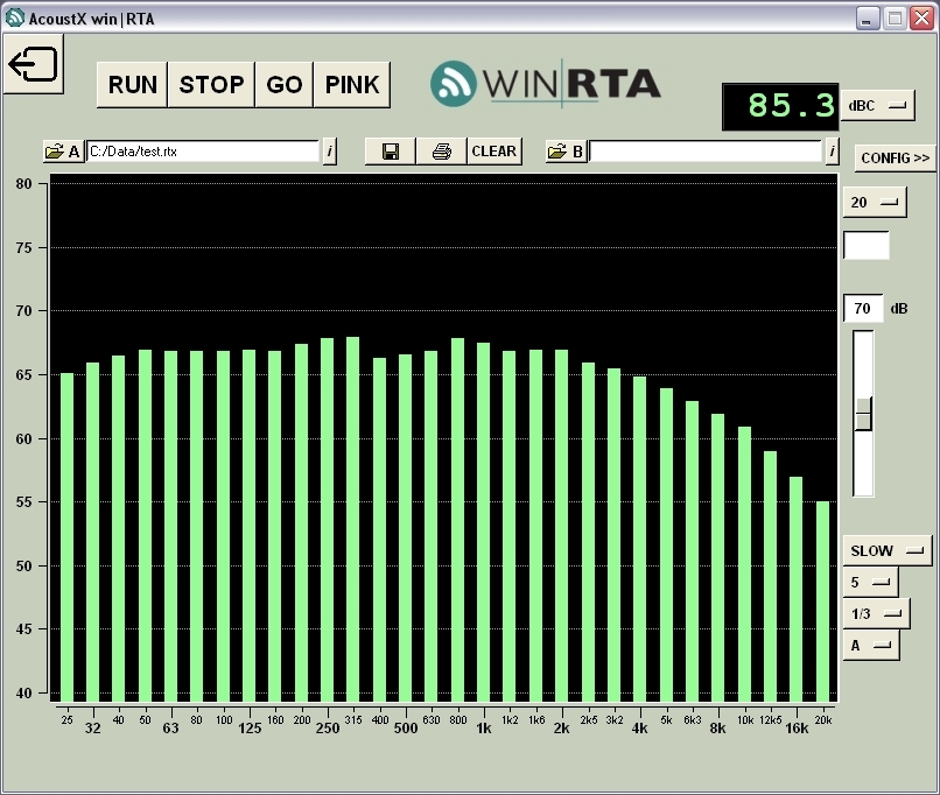
An RTA (Real Time Analyzer) is a simpler audio analysis tool compared to an FFT (Fast Fourier Transform), which offers finer resolution and more parameters for audio or image analysis.
In cinema and room calibration, an RTA displays sound level across frequency bands in real time — typically in 1/3-octave or octave resolution — giving engineers an immediate overview of system balance, room modes, and tonal issues during measurement and tuning.
Simpler, band-based display. Ideal for live monitoring, quick system checks, and identifying broad frequency imbalances during calibration sessions.
Finer frequency resolution with more analytical parameters. Used for detailed diagnostics, impulse response analysis, and precision DSP tuning.
In image processing, the FFT transforms an image from the spatial domain (pixels) to the frequency domain, where it is represented by patterns of light and dark. The FFT image — often a magnitude spectrum — shows the presence of different frequencies, from smooth tonal changes to sharp detail.
You would search for "FFT image" or "frequency domain image" to find examples of how these transformed images look. The same mathematical principle underpins both audio spectrum analysis and visual frequency-domain processing.
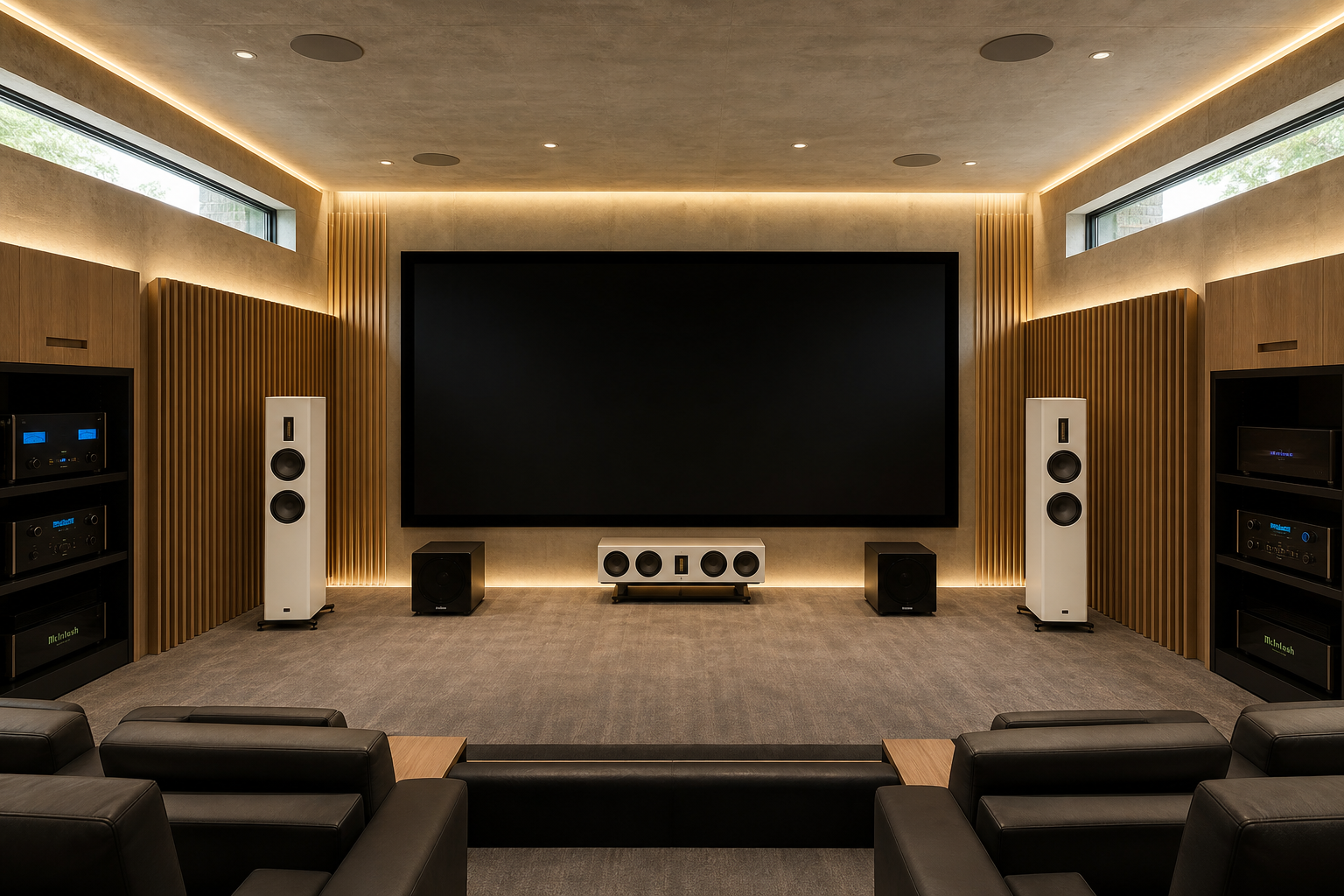
Engineering before equipment. Every private cinema and commercial auditorium is designed, measured and calibrated to international reference standards — not assembled from a product catalogue.
Clear answers on acoustic design, calibration methodology and immersive cinema engineering.
Room geometry and construction materials shape modes, reflections and reverberation — factors no processor can fully fix. Acoustic design sets ratios, treatment and speaker positions so the system performs predictably before equipment is chosen.
A reference microphone measures response, phase, delay and SPL at the main seat. DSP filters, levels, crossovers and immersive rendering are tuned with Dirac Live, Trinnov or native tools — then verified with RTA and reference playback.
Yes. We assess the room, speakers and infrastructure, then plan upgrades for Atmos, bass, projection or full recalibration. Many spaces improve with treatment and DSP retuning — without a full rebuild.
Consultation and room analysis usually take one to two weeks. Full packages for new builds span several weeks depending on scope. On-site calibration is typically one to three days once installation is complete.
Yes — from 5.1.2 residential layouts to large commercial formats. Height placement, baffle walls, amplifier headroom and processor setup are verified against Dolby specifications.
Yes. We calibrate systems from other integrators using Trinnov, Dirac Live, Anthem, StormAudio and more. The goal is measured performance — not brand loyalty.
Every project is unique. Let our engineers assess your space and recommend the optimal approach.